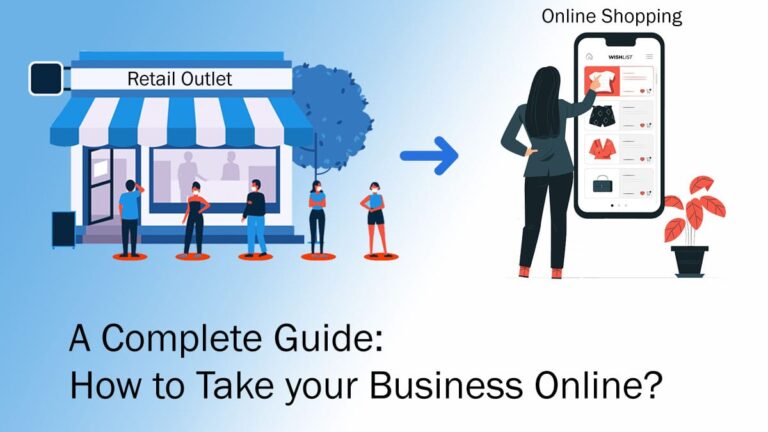

The plastic money and online transactions are making their presence felt in the business sector post-demonetization. This clearly shows that a business can gain more benefits by going online. Certain digital features help execute more online sales through e-commerce applications. These features support faster transactions and wider customer reach.
The use of UPI, mobile wallets and contactless cards has significantly reduced the dependency of people on cash-based transactions. The customers now prefer faster and more secure digital payment options, which have improved checkout efficiency for online businesses.
This growing trust of people in the digital payment systems has increased online payments and recurring purchases as well. So, the businesses that offer multiple payment options are seeing higher customer satisfaction and improved sales conversion rates.
According to official e-commerce data published by IBEF, India recorded nearly 969.1 million internet subscribers by March 2025, which clearly explains why online transactions and digital business models are becoming increasingly important for businesses across the country.
This rapid growth in internet access has led to increased digital awareness among consumers across urban and rural regions. Not just that, even regional language content and voice-based searches have further made online platforms more accessible. As a result, businesses are now able to tap into a much wider customer base than before.
The Digital India drive has already prepared the path for the Indian e-commerce industry. You may be a small retail business or an established brand, but selling online offers many advantages. If you are an established brand, you can save the investment funds required to set up a physical store in a new location. This makes online expansion more cost-effective.
According to Invest India, the country’s official investment promotion agency, India’s e-commerce market is expected to cross USD 325 billion by the year 2030, showing how government-led digital initiatives are creating long-term opportunities for online businesses.
An online business is like a local business operating on a global platform. It means people from any geographical location can browse and purchase products online. A short-term business can gain significant benefits by opening an e-commerce gateway. This helps reach internet-savvy customers without heavy infrastructure investment.
Many online platforms allow businesses to operate 24/7 without geographical limitations. The customers can compare products, read reviews and place orders at their convenience.
This constant availability increases the revenue opportunities for businesses. Even not-so-popular products can attract customers through targeted online marketing.
An encouraging forecast for the online Indian businesses:
The McKinsey Global Institute conducted a study to analyse the Indian consumer market. According to a McKinsey Global Institute-linked analysis reported by Economic Times, only 20 to 25 per cent of India’s 850 million internet users currently shop online, which highlights the massive untapped potential for future e-commerce growth in the Indian market.
The study shows that India, currently ranked 12th and may move to the 5th position by the year 2025. This is expected if economic growth continues at the current pace.
This shift indicates that India is increasing its influence in the global consumer economy. The expanding digital environment is also attracting global brands to invest in the Indian market. These factors together strengthen India’s position as a high-growth economy.
The strong economic growth and rising income levels may push consumer spending to $3.6 trillion by 2025. It also indicates that India’s share in the global consumer market may reach 5.8 per cent. This figure is more than double its earlier value if we look at the previous ones.
This economic boost could be a result of multiple ways of conducting e-commerce. Also, internet connectivity has expanded rapidly across the country in recent years. This expansion has made online buying and selling easier for so many businesses.
A forecast by the ASSOCHAM–Forrester study states that India’s e-commerce revenue would increase from $30 billion in 2016 to $120 billion by 2020. The annual growth rate was expected to remain around 51 per cent and this rate was among the highest globally.
Also, the retailers that offer heavy online discounts have encouraged more consumers to shop online. Many established brands have also supported this growth by going online. Their presence has increased customer confidence in online shopping further.
An increase in the working population has further driven growth in the e-commerce sector. According to the India E-commerce Market Forecast and Opportunities report, the market was projected to grow at a compounded annual growth rate of 36 per cent between 2015 and 2020.
These days, the busy lifestyle of people has increased the demand for time-saving online services. The working professionals prefer online shopping due to flexible delivery options. Also, subscription-based models have gained popularity among such consumers.
The Indian online business ecosystem is supported by several combined factors. The affordable smartphones, widespread WiFi access and free data packages have increased internet usage. The growth in the middle-class working population has also contributed to economic expansion.
This is why developing an app for smart devices across platforms has become necessary for business success. Every business must reach users who spend long hours browsing on their smartphones. A dedicated app gives a business a local feel while operating globally.
According to recent industry data compiled and published through government-aligned market studies, India’s e-commerce industry reached a valuation of approximately Rs. 13.04 lakh crore, or around USD 151 billion, in 2025, reflecting strong demand driven by a growing working population.
Not Just an App, Invest in SEO, SEM and Ad marketing methods:
Once a business is established and has its own E-commerce website, it is time for the online sales team to begin their work. The team must study and incorporate methods to attract and maintain a constant flow of online customers.
Having a strong online presence improves the brand’s visibility and credibility. That is because the customers often research products online before making purchase decisions. So, appearing consistently in the search results increases trust among potential buyers.
Optimisation becomes a key part of online business growth once you have a website. Some effective search engine optimisation techniques also help improve visibility and sales performance. These techniques support steady sales and long-term sustainability.
Online marketing requires continuous effort to engage with customers. It also helps maintain a healthy sales ratio which retains loyal users. On top of it, push notifications based on browsing history further help to improve engagement. To attract new customers, the businesses must use strong online and offline advertising methods.
According to official e-commerce market reports shared by IBEF, India surpassed the United States to become the world’s second-largest e-retail market with nearly 270 million online shoppers in 2024, proving why businesses must invest in mobile apps and digital platforms.
Common Risks and Challenges in Online Business
It is true that online business offers many advantages but they also have certain challenges that you must understand clearly. Some common risks like data security risks, delayed deliveries and high competition can affect the customer trust if they are not managed properly.
The comparison of prices across different platforms also pressures the businesses to maintain competitive pricing. However, these challenges can be controlled effectively with proper planning, reliable service partners and strong digital systems.
Therefore, taking care of customer expectations is equally important for online businesses. To maintain their trust, regular payment gateway system updates and quality checks are essential and they also minimise operational issues.
Building Customer Trust Through Digital Platforms
Building and maintaining the trust of customers remains a key factor for the success of online businesses. If paired with secure payment gateways, clear return policies and accurate product information, it can help the customers feel confident while shopping online.
On top of it, timely communication and responsive customer support also improve customer satisfaction levels. They are more likely to return, retain and recommend your business to others when customers trust your platform.
Such a type of online expansion also allows businesses to test new markets with minimal financial risk. That means companies can analyse the customer demand and buying behaviour before making long-term investments.
Furthermore, the cloud-based systems and third-party logistics services further reduce the operational complexity of the business and contribute to its growth.
Some Trends in Ad Marketing
The total ad marketing spending for the year 2017 is expected to grow by 10%, while the digital marketing registers a 30% growth. The total expenditure is expected to cross the Rs. 61,000 crore mark, according to the report by the WPP-owned, GroupM media company.
According to the Reserve Bank of India, digital payments accounted for almost 99.8 per cent of total transaction volume during the first half of 2025, which explains why digital advertising and online brand promotion have become essential for modern businesses.
Digital advertising gained importance after demonetisation since the government started supporting digital transactions. The internet has become an effective medium for building and promoting brands online. It also allows faster and measurable returns on the business investment.
Hiring and training skilled professionals is equally essential to achieve success in this area. That is because these professionals can analyse the user data and deliver customised marketing solutions. This approach helps businesses improve their reach and conversion rates over time.
Role of Government Policies and Compliance
The government policies play an equally important role in supporting the online businesses across India. Strict regulations related to GST registration, digital payments and consumer protection help create a transparent business environment.
There are many government initiatives, such as Aadhaar-based verification, UPI integration and digital documentation that have simplified online business operations. These initiatives have reduced entry barriers for startups and small businesses.
At its core, faster approvals and online compliance systems have helped the businesses save both time and operational costs. This has encouraged more entrepreneurs to adopt online business models.
These rules ensure safer transactions for both the buyers and sellers. Just remember that when you follow compliance requirements carefully, your business gains credibility and operates smoothly in the long run.
Practical Steps for Businesses Going Online
If you are planning to go online, you should start with a clear strategy and investment planning.
- You must focus on building a user-friendly website or app supported by consistent digital marketing efforts.
- You should regularly track the customer behaviour and improve your services based on their feedback.
This approach can help you reduce potential business-related risks and ensure stable and long-term business growth.
How Small Businesses Can Compete in the Digital Market
There are many digital platforms that allow small businesses to compete with the larger brands without heavy investment. You can use social media, local SEO and marketplace listings to reach the right audience.
If you offer good, consistent quality, transparent pricing and reliable service, it can help you build a loyal customer base. It also supports steady and sustainable business growth over time.
Final Thoughts
Overall, the growth of internet use, digital payments and government support shows that going online is now necessary for all types of businesses. The businesses can achieve wider reach, controlled costs, and long-term growth in a competitive market by using e-commerce platforms, mobile apps and digital marketing. It also helps businesses stay flexible and adapt quickly to the changing needs of their customers and market trends.

I am Sunil Tarwara, a seasoned IT professional with over 13 years of hands-on experience in Website Development and Digital Marketing. With a deep understanding of the challenges faced by businesses, I have been trusted by hundreds of clients to achieve their digital goals. I have Master’s degree in Information Technology.
Apart from websites, I like hill stations.